




Schengen Visa: Requirements, Costs, and How to Apply
-
Adeel Gulzar / 2 months
- August 26, 2026
- 10 min read

If you’re planning to visit Europe for tourism, business, study, or family reasons, you’ve probably come across the term Schengen visa. This single visa is one of the most practical travel documents in the world, allowing holders to move freely across dozens of European countries without repeated border checks. Whether you’re booking a holiday, attending a conference, or visiting relatives, understanding how the Schengen visa works can save you time, money, and unnecessary stress.
This guide walks you through everything you need to know: what the Schengen visa is, who needs one, the documents required, the costs involved, and the step-by-step application process.
What Is a Schengen Visa?
The Schengen visa is a short-stay travel permit that allows the holder to enter and travel within the Schengen Area, a zone made up of European countries that have abolished passport controls at their shared borders. Once you’re granted a Schengen visa, you can travel between member countries without going through separate border checks each time, much like traveling between states or provinces within a single country.
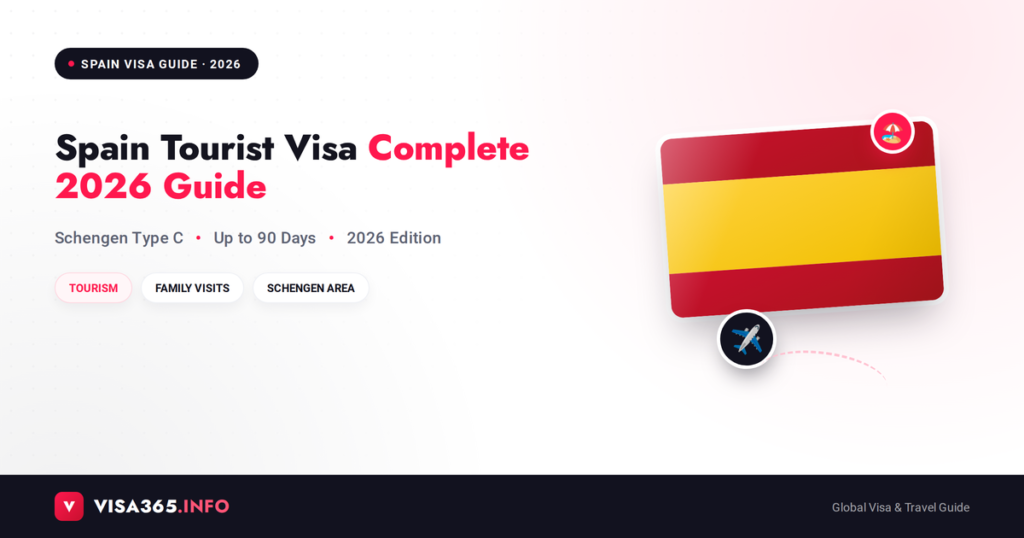
The Schengen Area currently includes 29 European countries, most of which are European Union members, along with a few non-EU states such as Norway, Iceland, Switzerland, and Liechtenstein. A standard Schengen visa (Type C) allows short stays of up to 90 days within any 180-day period, and it can be used for tourism, business meetings, family visits, cultural or sporting events, and medical treatment.
It’s important to note that a Schengen visa is different from a national (long-stay) visa, sometimes called a Type D visa, which is required for purposes like long-term study, work, or family reunification that go beyond 90 days. Students planning a full degree program in Europe, for example, will usually need a national visa rather than a standard Schengen visa.
Who Needs a Schengen Visa?
Whether you need a Schengen visa depends on your nationality. Citizens of many countries can enter the Schengen Area visa-free for short stays, while nationals of a large number of other countries must apply for a visa in advance at an embassy or consulate.
Separately, the EU has introduced ETIAS (European Travel Information and Authorisation System), which applies to travelers from visa-exempt countries. ETIAS is not a visa; it’s a simpler, lower-cost travel authorization that eligible travelers apply for online before their trip. If your country requires a traditional Schengen visa, ETIAS does not apply to you, and you’ll need to go through the standard visa application process instead.
Before planning your trip, check your country’s specific visa requirement on the official website of the embassy or consulate of the Schengen country you intend to visit, since requirements can vary and change over time.
Types of Schengen Visas
There are a few main categories of Schengen visas, and choosing the right one depends on your travel purpose:
- Uniform Schengen Visa (Type C): The standard short-stay visa for tourism, business, or family visits, valid for stays of up to 90 days within a 180-day period across the Schengen Area.
- Airport Transit Visa (Type A): Required by nationals of certain countries who need to pass through the international transit area of a Schengen airport without actually entering the country.
- Limited Territorial Validity (LTV) Visa: A visa restricted to travel within a specific Schengen country or group of countries, issued in special circumstances.
For students and long-term visitors, the relevant document is typically a national long-stay visa (Type D), issued by the specific country where you’ll be studying or working, rather than a Schengen (Type C) visa.
Schengen Visa Requirements
While exact document checklists can vary slightly by country and consulate, most Schengen visa applications require the following:
- A valid passport issued within the last 10 years, with at least two blank pages and validity extending at least three months beyond your planned departure from the Schengen Area
- A completed and signed Schengen visa application form, available from the consulate’s official website
- Recent passport-sized photos meeting Schengen photo specifications
- Proof of travel medical insurance covering the entire Schengen Area, with a minimum coverage level set by EU regulation for emergencies and repatriation
- Proof of accommodation, such as hotel bookings or an invitation letter if staying with family or friends
- Proof of round-trip transportation, such as a flight itinerary or reservation
- Proof of sufficient financial means to cover your stay, such as bank statements or a sponsor letter
- Proof of purpose of travel, which may include an employer letter, invitation letter, conference registration, or enrollment confirmation depending on your trip
- Proof of ties to your home country, such as employment, property, or family ties, to demonstrate your intention to return after your visit
Some consulates may request additional documents depending on your circumstances, so it’s always best to check the specific requirements listed on the official consulate or embassy website for the country you’re applying to.
Which Country Should You Apply To?
If you plan to visit only one Schengen country, apply at that country’s embassy or consulate. If you plan to visit multiple Schengen countries, apply at the consulate of the country where you’ll spend the most time. If your time is split equally between countries, apply at the consulate of the country you’ll enter first.
Schengen Visa Cost
The standard Schengen visa fee is €90 for adults. Children aged 6 to 12 pay a reduced fee of €45, while children under 6 are exempt from the fee entirely. This fee is set by EU regulation and applies uniformly across all Schengen member states, regardless of which country you apply through.
Some applicants may qualify for fee waivers or reductions, including certain categories of students, researchers, and family members of EU/EEA citizens, depending on bilateral agreements between the EU and specific countries.
If you apply through an external visa application center such as VFS Global, TLScontact, or BLS International rather than directly at an embassy, you’ll typically pay an additional service fee on top of the official visa fee. Optional extras, such as premium appointment slots or document courier services, will add further cost. Keep in mind that Schengen visa fees are non-refundable, even if your application is denied, so it’s worth ensuring your documentation is complete before applying.
How to Apply for a Schengen Visa
Applying for a Schengen visa involves several clear steps. While the process is broadly similar across countries, always confirm specific instructions on the relevant consulate’s official website.
Step 1: Determine the Right Consulate
Identify which country’s embassy or consulate you should apply to, based on your main destination or first point of entry, as explained above.
Step 2: Complete the Application Form
Fill out the official Schengen visa application form, available from the consulate’s website. Make sure all information matches your passport and supporting documents exactly.
Step 3: Gather Your Supporting Documents
Compile all required documents, including your passport, photos, travel insurance, proof of accommodation, financial means, and purpose of travel.
Step 4: Book Your Appointment
Schedule an appointment at the embassy, consulate, or authorized visa application center. Appointments can take time to secure during busy travel seasons, so it’s wise to book as early as your consulate’s rules allow, typically several weeks to a few months before your planned trip.
Step 5: Attend Your Appointment
Submit your documents in person, provide biometric data (fingerprints and a photo, if this is your first Schengen application or your biometrics have expired), and pay the applicable visa fee.
Step 6: Wait for Processing
Standard processing time is around 15 calendar days, though this can extend up to 30 or 45 days in more complex cases or during peak travel periods. Applying well ahead of your trip helps avoid last-minute complications.
Step 7: Collect Your Passport and Visa
Once approved, collect your passport with the visa sticker attached, and double-check the validity dates and permitted number of entries before you travel.
Schengen Visa for Students
While the standard Schengen visa covers short visits, students planning to study in Europe long-term will generally need a national (Type D) student visa issued by the specific country hosting their program, rather than a short-stay Schengen visa. This applies across degree levels, including bachelor’s, master’s, and doctoral programs, as well as many language courses, exchange semesters, and vocational training programs longer than 90 days.
Requirements for a national student visa typically include proof of university admission, evidence of financial means to support yourself during your studies, valid health insurance, and proof of accommodation in your host country. Because national visa rules differ by country, it’s important to check the specific requirements of the country where you’ll be studying well before your program start date.
Short study-related visits, such as attending a summer school, academic conference, or short exchange program under 90 days, may be covered by a standard Schengen visa instead.
Common Reasons for Schengen Visa Refusal
Understanding common pitfalls can help you avoid delays or refusals:
- Incomplete or inconsistent documentation
- Insufficient proof of financial means
- Unclear or unconvincing purpose of travel
- Lack of adequate travel insurance
- Insufficient evidence of ties to your home country
- Errors or inconsistencies in the application form
Taking time to prepare a complete, accurate application significantly improves your chances of approval.
Frequently Asked Questions
How long does a Schengen visa allow me to stay in Europe?
A standard Schengen visa allows stays of up to 90 days within any 180-day period across the entire Schengen Area, regardless of how many countries you visit during that time.
How much does a Schengen visa cost?
The standard fee is €90 for adults and €45 for children aged 6 to 12, with children under 6 exempt. Additional service fees may apply if you apply through a visa application center rather than directly at an embassy.
How long does it take to get a Schengen visa?
Processing typically takes around 15 calendar days, but it can extend up to 30 or 45 days in some cases. It’s best to apply well in advance of your planned travel dates.
Can I use a Schengen visa to study in Europe?
A standard Schengen visa is meant for short stays and generally isn’t suitable for long-term study. Most students enrolling in a full degree program need a national (Type D) student visa issued by their host country instead.
Do I need travel insurance for a Schengen visa application?
Yes. Travel medical insurance covering the entire Schengen Area, including emergency medical costs and repatriation, is a mandatory requirement for all Schengen visa applications.
Which Schengen country should I apply to if I’m visiting several countries?
Apply at the consulate of the country where you’ll spend the most time. If your stay is evenly split between countries, apply at the consulate of the country you’ll enter first.
Is the Schengen visa fee refundable if my application is rejected?
No. Schengen visa fees are non-refundable, even if your application is denied, which is why careful preparation of your documents is important before applying.
What’s the difference between a Schengen visa and ETIAS?
A Schengen visa is required for nationals of countries that need pre-approval to enter the Schengen Area. ETIAS is a separate, simpler travel authorization for nationals of visa-exempt countries and does not apply if your country requires a traditional Schengen visa.
Disclaimer: This guide is for general informational purposes only and does not constitute legal advice. Visa requirements may change. Always verify with official government sources.
Was this article helpful?
Thanks for your feedback 💛 It helps us improve our guides.