


US I Visa: A Guide for Foreign Media Representatives and Journalists
-
Abdul Wahab / 2 months
- August 16, 2026
- 11 min read

Foreign correspondents, camera crews, and news producers who need to work in the United States can’t simply fly in on a tourist visa or the Visa Waiver Program and start reporting. U.S. immigration law treats journalism as a professional activity, which means it requires its own visa category: the I visa, formally known as the Representatives of Foreign Media classification.
This guide walks through who the I visa is for, what USCIS and the State Department look for during the application, what it costs, and how long a media representative can stay in the U.S. once approved.
What Is the I Visa?
The I visa is a nonimmigrant classification for people who work for a foreign-based information media organization and need to travel to the U.S. to gather, produce, or distribute news and informational content. It covers reporters, correspondents, film and camera crews, editors, and similar roles, as long as their work is journalistic rather than commercial or entertainment-oriented.
Two features set the I visa apart from most other U.S. work visas:
- No USCIS petition is required. Unlike the H-1B, L-1, or O-1 categories, there’s no employer-filed petition to approve before you apply. You apply directly for the visa at a U.S. embassy or consulate, and a consular officer decides whether your work qualifies.
- Duration of status (D/S). Most I visa holders are admitted for as long as they continue working for the same foreign media organization in the same medium, rather than for a fixed end date, though the specifics depend on what a Customs and Border Protection (CBP) officer stamps on your Form I-94 at entry.
Who Qualifies for the I Visa?
To be eligible, you must show that you’re a bona fide representative of the foreign press, radio, film, or other information media, and that your activities in the U.S. are essential to your organization’s news-gathering or informational function. According to the State Department’s Foreign Affairs Manual, you generally need to demonstrate that:
- You’re traveling to the U.S. as an employee of, or under contract to, an organization that regularly gathers, produces, or distributes journalistic information (through print, radio, television, internet, or other media); and
- That organization has a home office in a foreign country.
Occupations that commonly qualify include:
- Reporters and correspondents covering U.S. events for a foreign audience
- Film and video crews producing news or documentary content for a foreign broadcaster
- Editors and producers working on informational or news programming
- Freelance journalists who hold a valid contract with a qualifying foreign media organization
- Accredited representatives of foreign government tourist bureaus who disseminate factual travel information (and don’t otherwise qualify for a diplomatic visa)
A few important limits worth knowing before you apply:
- Support roles don’t qualify on their own. Positions like proofreaders, librarians, or set designers generally need a different visa category, since the I visa is meant for people directly involved in news gathering or content production.
- Entertainment and commercial content are excluded. Projects made primarily for commercial or entertainment purposes – reality TV, scripted programming, advertising – don’t fit the I visa, even if a media company is producing them. Those projects typically need an O-1 visa instead.
- Freelancers need a contract, not just an idea. An independent journalist hoping to travel to the U.S. and sell stories afterward doesn’t qualify. You need a documented agreement with a foreign media organization before you apply.
- Reciprocity matters. Consular officers also consider whether your home country extends similar visa privileges to American journalists, which is a standard part of how the I visa category works.
- Writers and other creative professionals generally don’t qualify. The category is specifically for journalistic and informational work, not general authorship or design work.
Required Documents
While your consulate may ask for specifics based on your circumstances, most I visa applications include:
- A completed Form DS-160, the online nonimmigrant visa application
- A valid passport that remains valid for travel to the U.S. beyond your intended stay
- Your DS-160 confirmation page
- A letter from your foreign media employer describing your role, confirming that your work is journalistic in nature, and explaining why your presence in the U.S. is necessary
- A valid employment contract, if you’re a freelancer or working under contract rather than as a direct employee
- A press credential issued by a recognized journalistic association, where applicable, especially for film or video work
- Evidence that your organization has a foreign home office and is engaged in the regular gathering or distribution of journalistic information
If your spouse or children under 21 plan to accompany or later join you, they can apply for derivative I visas, generally by submitting a copy of your visa along with their own application.
Application Process
Here’s the general path for applying for an I visa:
- Confirm you’re applying for the right category. If your work leans toward entertainment or commercial production rather than news and informational content, an O-1 visa may be the correct classification instead.
- Complete Form DS-160 online through the Department of State’s Consular Electronic Application Center (CEAC).
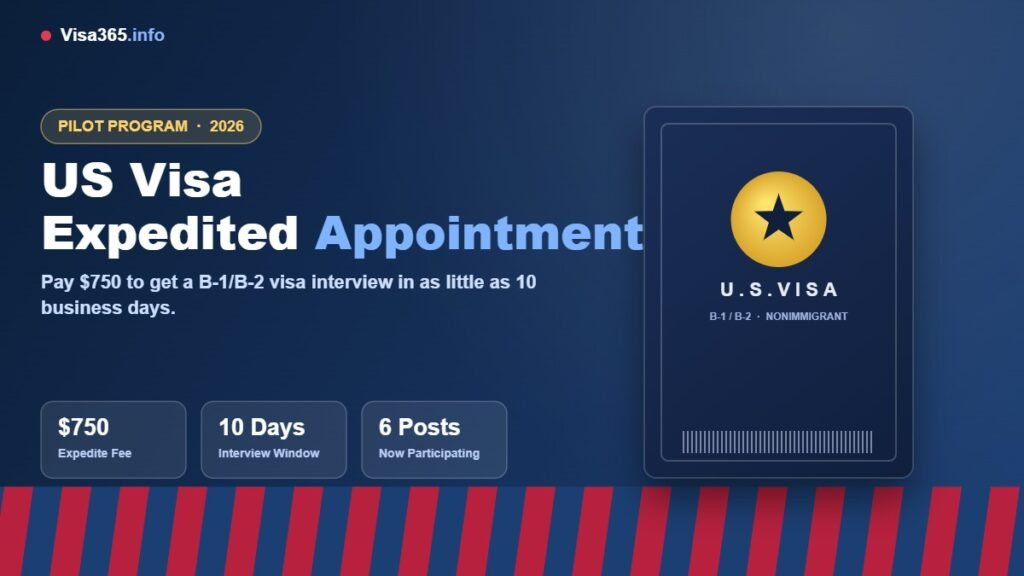
- Pay the visa application fee and schedule your interview at the U.S. embassy or consulate with jurisdiction over your place of residence. If wait times at your consulate are long and your assignment is time-sensitive, it’s worth checking whether the expedited appointment pilot program applies to your situation.
- Attend your visa interview, bringing your passport, DS-160 confirmation, employer letter, and any supporting evidence of your journalistic assignment.
- Wait for the consular officer’s decision. Because there’s no USCIS petition step, the interview and supporting documentation are the core of the eligibility review.
If you’re already in the U.S. in another nonimmigrant status and want to change to I status, or you’re currently an I nonimmigrant switching employers or mediums, you’d instead file Form I-539, Application to Extend/Change Nonimmigrant Status, with USCIS, along with a letter from your foreign media employer and evidence of your current status.
I Visa Costs
The Department of State classifies the I visa as a non-petition-based nonimmigrant visa, which puts it in the standard visa application fee tier:
- Visa application (MRV) fee: $185, payable when you submit your DS-160 and schedule your interview
Because the I visa doesn’t require a USCIS petition, there’s no separate Form I-129 filing fee the way there is for categories like H-1B or O-1. It sits in the same non-petition fee tier as the J-1 exchange visitor visa and other visitor-type categories. Depending on your nationality, you may also owe a reciprocity fee set by your home country’s visa arrangement with the U.S. – this varies widely, so check the State Department’s country-specific reciprocity table for your case. Always confirm the current fee amount on the official U.S. Department of State fee schedule before applying, since fees are periodically updated.
How Long Can You Stay?
Unlike most work visas that come with a fixed expiration date, I nonimmigrants are typically admitted for duration of status (D/S) – meaning you can generally remain in the U.S. for as long as you continue working for the same foreign media organization, in the same information medium, without needing to file for an extension.
That said, a few exceptions apply:
- If your Form I-94 shows a specific end date rather than D/S, you’ll need to file Form I-539 before that date if you want to stay longer.
- If nonimmigrants from the People’s Republic of China (excluding Hong Kong SAR and Macau SAR passport holders) are subject to a rule limiting admission to the period necessary to complete the authorized activity, not to exceed 90 days, with the option to request additional 90-day extensions if the assignment continues.
- If you change employers or switch to a different information medium while in the U.S., you must file Form I-539 to reflect that change.
Family Members
Spouses and unmarried children under 21 of an I visa holder may apply for derivative I visas, whether they’re accompanying you or joining you later. They are:
- Not authorized to work in the U.S. under I status
- Permitted to study in the U.S. without needing a separate F-1 student visa
If family members only plan to visit rather than reside with you, they may instead be able to travel on a B-2 visitor visa or, if eligible, under the Visa Waiver Program.
I Visa vs. Other Work Visa Categories
Because the I visa only covers journalistic and informational work, media professionals working on other kinds of projects often need a different category:
- O-1 visa – for individuals with extraordinary ability, which may fit producers or media professionals working on commercial or entertainment projects rather than news content
- P-1 visa – for internationally recognized entertainers or athletic teams, relevant if a “media” project is actually an entertainment production
- B-1/B-2 visa – generally not usable for professional journalistic work, since covering news events as a working journalist requires an I visa rather than a visitor visa
If you’re unsure which category fits your assignment, it often comes down to whether the finished product is primarily informational (I visa) or primarily commercial/entertainment (O or P visa).
Key Takeaways
The I visa gives foreign journalists, correspondents, and production crews a direct path to report from the United States without going through a USCIS petition process. The trade-off is that consular officers scrutinize the nature of your work closely – informational content qualifies, commercial and entertainment projects generally don’t. Having a clear employer letter, a valid contract if you’re freelance, and evidence that your organization is genuinely foreign-based and news-focused will make the difference at your visa interview.
Frequently Asked Questions
Do I need a USCIS petition to apply for an I visa?
No. The I visa is one of the few U.S. work visa categories that doesn’t require a petition filed with USCIS before you apply. You apply directly at a U.S. embassy or consulate by completing Form DS-160 and attending a visa interview.
Can I travel to the U.S. for journalism work under the Visa Waiver Program or a B-1 visitor visa?
Generally, no. Working journalists engaging in their profession need an I visa, even if they’re citizens of a Visa Waiver Program country. Attempting to enter on a visitor visa or under the VWP to perform journalistic work can result in being denied admission at the port of entry.
Are freelance journalists eligible for the I visa?
Yes, but only if they have a valid contract with a qualifying foreign media organization. An independent journalist traveling to the U.S. hoping to report and sell stories afterward, without a contract in place, does not qualify.
Does the I visa cover documentary filmmakers or bloggers?
It can, depending on the content. Professional bloggers and documentary producers may qualify if their work is genuinely journalistic or informational, produced for a foreign audience, and tied to a legitimate foreign media organization. Personal blogs or projects made primarily for commercial or entertainment purposes don’t qualify.
How long is the I visa valid, and how long can I stay in the U.S.?
Visa validity varies by country under reciprocity agreements, but your authorized period of stay is typically tied to duration of status (D/S) – meaning you can generally remain as long as you continue the same journalistic work for the same foreign employer, unless your Form I-94 specifies a fixed end date or you’re subject to the 90-day rule that applies to I nonimmigrants from mainland China.
Can my spouse work in the U.S. while I hold an I visa?
No. Spouses and children who hold derivative I visas are not authorized to work, though they can study in the U.S. without needing a separate student visa.
What happens if my media assignment changes to a different employer or medium?
You’ll need to file Form I-539, Application to Extend/Change Nonimmigrant Status, with USCIS, along with a letter from the new employer confirming your role and evidence of your current status.
How much does an I visa cost?
The standard visa application (MRV) fee is $185, since the I visa is classified as a non-petition-based nonimmigrant visa. You may also owe a reciprocity fee depending on your nationality, so it’s worth checking the State Department’s fee and reciprocity tables for your specific country before applying.
Disclaimer: This guide is for general informational purposes only and does not constitute legal advice. Visa requirements may change. Always verify with official government sources.
Was this article helpful?
Thanks for your feedback 💛 It helps us improve our guides.