









Schengen Visa Type C: The Complete Guide to the Short-Stay Uniform Schengen Visa
-
Abdul Wahab / 3 months
- July 13, 2026
- 9 min read

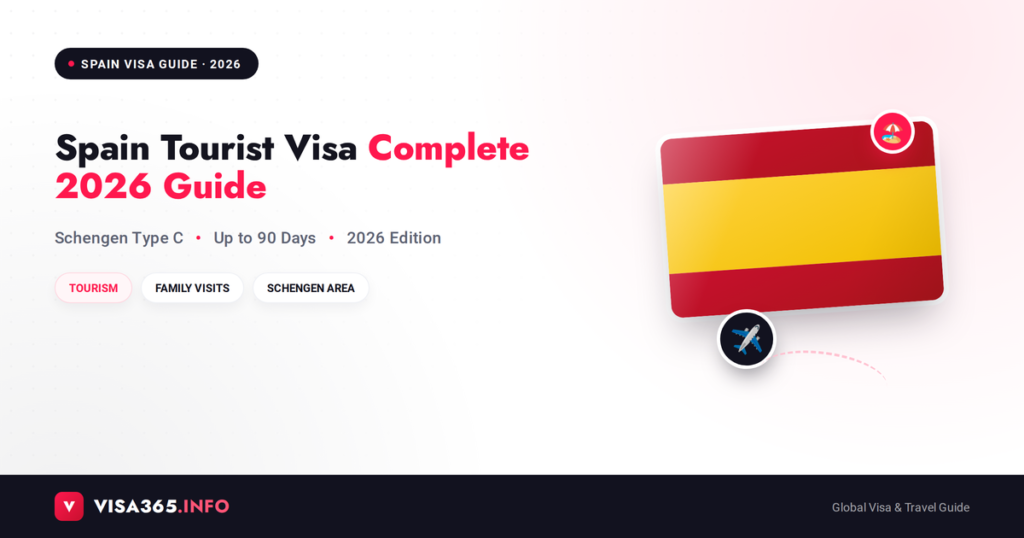
If you’re planning a trip to Europe for tourism, business, a family visit, or a short study program, the Type C Schengen visa is almost certainly the document you’ll need. Known officially as the Uniform Schengen Visa (USV), it’s the most commonly issued Schengen visa category, and it allows non-EU nationals to travel across the Schengen Area without needing a separate visa for each country.
This guide walks through what the Type C Schengen visa actually permits, who needs one, the different entry types available, the documents required, the costs involved, and how the application process works from start to finish.
What Is a Type C Schengen Visa?
The Type C visa is a short-stay visa that allows the holder to enter and travel freely within the Schengen Area for a limited period. It’s the visa most travelers mean when they simply say “Schengen visa.”
Unlike the Type A airport transit visa, which only permits passage through an airport’s international zone, a Type C visa lets you actually cross the border, move between Schengen countries, and stay for tourism, business, family visits, or short-term studies such as a language course, summer school, or academic exchange lasting under 90 days.
Under the EU Visa Code (Regulation (EC) No 810/2009), a Type C visa permits a stay of up to 90 days within any 180-day period. This is often called the 90/180-day rule, and it applies cumulatively across all Schengen countries combined, not separately per country. The European Commission even provides an official short-stay calculator so travelers can check their remaining days before booking a trip.
Who Needs a Type C Schengen Visa?
Whether you need a Schengen visa depends on your nationality. Citizens of countries on the EU’s visa-required list must obtain a Type C visa before traveling to the Schengen Area for short stays, while nationals of visa-exempt countries can generally enter without one and instead rely on ETIAS once that system becomes mandatory for their nationality.
The full, regularly updated lists of visa-required and visa-exempt nationalities are maintained by the European Commission’s Migration and Home Affairs department. Because these lists can change, it’s worth confirming your specific requirement before booking travel, especially if your nationality has changed status recently.
The Three Entry Types of a Type C Visa
One detail that surprises many first-time applicants is that a Type C visa isn’t just a single type of document — it can be issued with different entry validities, depending on your travel history and the purpose of your trip.
Single-Entry Visa
A single-entry visa allows you to enter the Schengen Area once. If you exit the zone for any reason, even briefly, the visa becomes invalid for re-entry, regardless of how many days remain within your authorized 90-day stay. This type is typically issued to first-time applicants or those with a straightforward, one-way itinerary.
Double-Entry Visa
A double-entry visa allows you to enter the Schengen Area, leave, and re-enter one additional time before the visa expires. This is useful for travelers who plan a short side trip to a non-Schengen country, such as the UK, Ireland, or a Balkan country, and then intend to return to the Schengen Area to continue their trip or catch a departing flight.
Multiple-Entry Visa
A multiple-entry visa allows unlimited entries and exits during the visa’s period of validity, as long as the traveler continues to respect the 90/180-day rule at all times. Multiple-entry visas are often issued for 1, 3, or 5 years to applicants with a strong travel history and a demonstrated pattern of complying with previous Schengen visa conditions, such as frequent business travelers or those with family ties in the Schengen Area. First-time applicants can also be granted a multiple-entry visa, though it’s more commonly awarded after at least one or two previous Schengen visas have been used correctly.
It’s important to understand that a longer visa validity period does not mean a longer stay. Even with a 5-year multiple-entry visa, you’re still limited to a maximum of 90 days of actual presence within any rolling 180-day window.
Documents Required for a Type C Visa
Requirements can vary slightly by consulate and by the purpose of travel, but a standard Type C application generally requires:
- A completed and signed visa application form
- A valid passport, issued within the last 10 years and valid for at least three months beyond your intended departure from the Schengen Area, with at least two blank pages
- Recent passport-sized photographs meeting ICAO photo standards
- Proof of travel medical insurance, covering emergency medical care, hospitalization, and repatriation, valid across the entire Schengen Area
- Proof of accommodation, such as hotel bookings or an invitation letter if staying with family or friends
- Round-trip flight reservations or a confirmed itinerary
- Proof of sufficient financial means to cover your stay, such as bank statements or a sponsorship letter
- Proof of the purpose of travel, such as an employment letter, business invitation, enrollment confirmation for a short course, or a tourist itinerary
- Proof of ties to your home country, such as employment, property, or family, showing your intent to return after your visit
Applicants for study-related short stays, such as a language course, summer program, workshop, or academic exchange lasting under 90 days, typically also need an official enrollment or acceptance letter from the institution.
Longer academic programs, such as a full bachelor’s, master’s, or PhD degree, generally fall outside the scope of a Type C visa and instead require a national long-stay (Type D) student visa issued by the specific Schengen country where the institution is located.
Schengen Visa Fees
According to the European Commission, the standard Schengen visa fee has been €90 for adults and €45 for children aged 6 to 12 since June 2024, following an update to the EU Visa Code. Children under 6 are generally exempt from the fee. Some nationalities benefit from reduced or waived fees under specific visa facilitation agreements with the EU.
If you apply through an external visa application center, such as VFS Global or TLScontact, rather than directly at an embassy or consulate, you may also be charged an additional service fee, which varies by provider and location. This service fee is separate from, and in addition to, the official Schengen visa fee.
How to Apply for a Type C Schengen Visa
Step 1: Determine the Correct Consulate
You must apply at the embassy or consulate of the main destination country, meaning the country where you’ll spend the most time or, if your stay is evenly split, the country of first entry. Applying at the wrong consulate can lead to delays or refusal.
Step 2: Book an Appointment
Most applicants must book an appointment, either directly with the consulate or through an authorized visa application center. Appointment availability can be limited during peak travel seasons, so it’s advisable to book well in advance.
Step 3: Gather and Submit Your Documents
Complete the application form and gather all supporting documents listed above. Applications are typically submitted at least 15 days before your intended trip and no more than six months in advance, or up to nine months for seafarers.
Step 4: Attend Your Appointment
At your appointment, you’ll submit your documents, pay the visa fee, and provide biometric data, including fingerprints and a digital photo, unless you’ve provided biometrics for a Schengen visa within the past 59 months.
Step 5: Wait for a Decision
According to the European Commission, the standard processing time is 15 calendar days, though this can be extended to up to 45 days in cases requiring additional review or documentation. Applying early gives you a buffer in case extra checks are needed.
Step 6: Collect Your Visa and Travel
Once approved, your passport will be returned with the visa sticker attached, showing your entry type, validity dates, and permitted duration of stay. Double-check all the details on the sticker before you travel, and keep proof of your accommodation, insurance, and return ticket accessible for border checks.
Frequently Asked Questions
Can I extend my Type C Schengen visa once I’m in Europe?
Extensions are only granted in exceptional circumstances, such as serious personal reasons, force majeure, or humanitarian grounds, and must be requested from the immigration authority of the country you’re currently in before your visa or authorized stay expires. Routine extensions to simply prolong a holiday are not permitted.
Does the 90/180-day rule reset when I enter a new Schengen country?
No. The 90/180-day rule applies to the Schengen Area as a whole, not per country. Moving from one Schengen country to another does not reset your allowed days; all time spent anywhere within the zone counts toward the same 90-day limit.
What’s the difference between a Type C visa and a national Type D visa?
A Type C visa is for short stays of up to 90 days and is issued under EU-wide rules. A Type D visa is a national long-stay visa issued by an individual Schengen country for stays longer than 90 days, such as full-time university study, long-term work, or family reunification, and its requirements are set by that specific country rather than uniformly across the Schengen Area.
Can I study in Europe on a Type C visa?
Only for short-term programs under 90 days, such as summer schools, intensive language courses, or short exchange programs. A full degree program, such as a bachelor’s, master’s, or doctoral course, requires a national student visa (Type D) from the country where the university is located.
What happens if I overstay my Type C visa?
Overstaying can result in fines, entry bans to the Schengen Area, and complications with future visa applications. If unusual circumstances prevent you from leaving on time, contact the immigration authorities of the country you’re in as soon as possible.
Can I work in Europe on a Type C visa?
No. A Type C visa is intended for tourism, business meetings, family visits, and short courses, not employment. Anyone planning to work in a Schengen country typically needs a specific work visa or permit issued by that country.
Is travel insurance really mandatory for a Type C visa?
Yes. Applicants must show proof of travel medical insurance covering emergency care, hospitalization, and repatriation for the full duration of the stay, valid across the entire Schengen Area, as part of a complete application.
Can I apply for a multiple-entry visa as a first-time traveler?
It’s possible, but less common. Consulates generally favor issuing a single-entry visa to first-time applicants and consider multiple-entry visas once a traveler has a track record of complying with the conditions of previous Schengen visas.
Disclaimer: This guide is for general informational purposes only and does not constitute legal advice. Visa requirements may change. Always verify with official government sources.
Was this article helpful?
Thanks for your feedback 💛 It helps us improve our guides.